
Hear from Our Customers
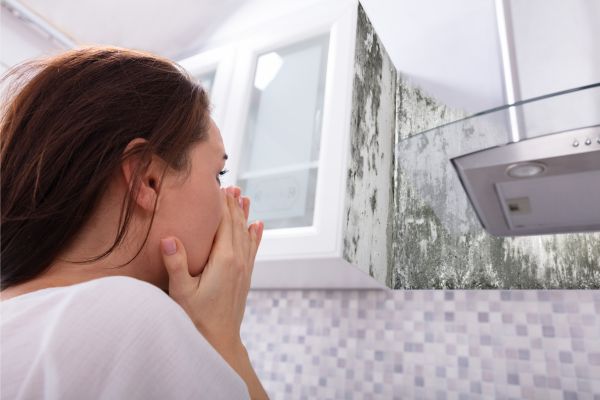
You’re not imagining it. That musty smell in the basement. The allergies that won’t quit. The worry that something’s growing where you can’t see it.
Mold doesn’t announce itself. It hides in crawl spaces, behind drywall, under flooring. By the time you see it, it’s already been there a while. And if you’re buying a home in Bucks County, you need to know what you’re getting into before you sign.
Professional mold testing gives you the full picture. We use EPA-approved methods to detect mold you can’t see, identify what type it is, and pinpoint where it’s coming from. You get a clear report, no sales pitch attached. Just the information you need to protect your investment and your family’s health.
This isn’t about scaring you. It’s about knowing. Because once you know, you can act. And acting early saves you thousands compared to waiting until the problem spreads.
We’ve been serving Neshaminy Falls and Bucks County with one focus: independent mold testing. We don’t sell you remediation services. We’re not trying to upsell you on a fix you might not need.
That matters because most companies that test also do the removal work. The conflict of interest is obvious. We give you unbiased results and recommendations, period.
Our team uses state-of-the-art detection equipment and follows EPA guidelines for every inspection. We know Bucks County homes. We know the basement moisture issues common near Neshaminy Creek. We know how humid summers here create perfect conditions for mold growth. And we know how to find it before it becomes a bigger problem.
First, we start with a free visual inspection. We walk through your property, check the areas where mold typically grows, and look for signs of moisture problems. Basements, crawl spaces, attics, bathrooms—anywhere water can collect.
If we find visible mold or conditions that suggest hidden growth, we move to testing. We collect air samples and surface samples from multiple areas. These samples go to a certified lab for analysis. The lab identifies the type of mold and the concentration levels.
Within a few days, you get a detailed report. It tells you what we found, where we found it, and what it means for your home. We explain the results in plain language—no jargon, no runaround. If there’s a problem, we tell you how serious it is and what your options are.
We also identify the moisture source. Mold doesn’t grow without water. Whether it’s a leak, condensation, or flooding, we find what’s feeding the problem so you can fix the root cause, not just the symptom.
Ready to get started?
Every residential mold testing service includes a thorough inspection of your property’s interior and exterior. We check visible areas and use moisture meters to detect hidden water damage that could be feeding mold growth behind walls or under floors.
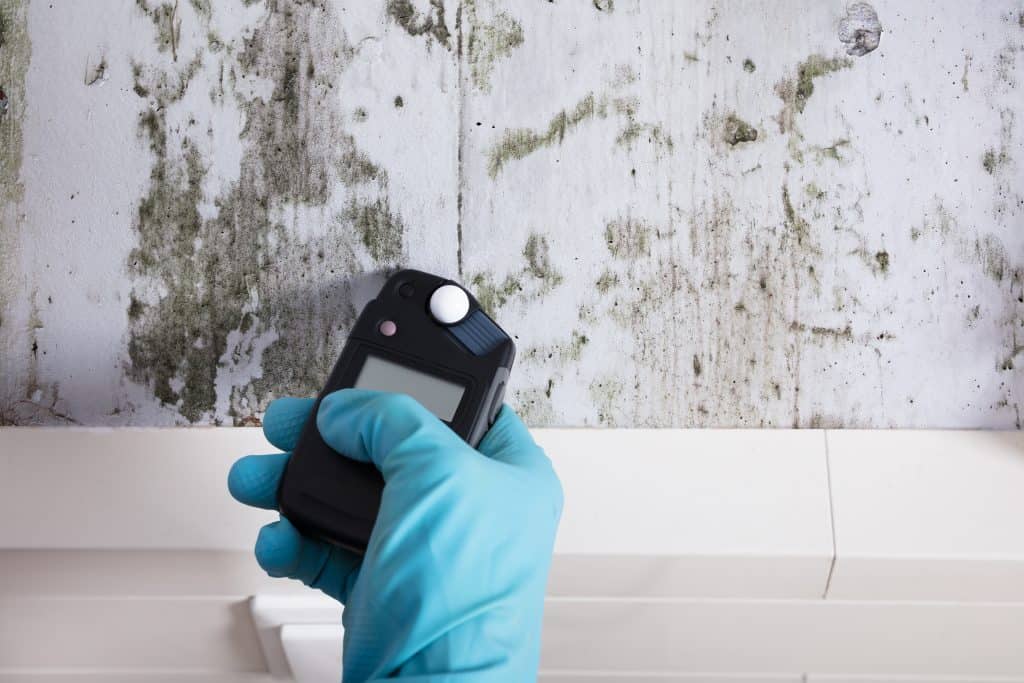
Air quality testing is standard. We measure spore counts in different rooms to see if levels are elevated compared to outdoor baselines. Surface testing targets specific areas where we see discoloration or suspect contamination.
In Neshaminy Falls and throughout Bucks County, we see recurring issues. Basement flooding from heavy rain. Poor ventilation in older homes. HVAC systems that spread spores. We know what to look for because we’ve seen it hundreds of times.
You also get documentation you can use for insurance claims or real estate transactions. If you’re buying a home, our black mold test results give you leverage during negotiations. If you’re selling, a clean report gives buyers confidence. And if you’re filing a claim, our findings provide the evidence your insurer needs.
The goal is simple: give you the facts so you can make informed decisions about your property and your health.
If you can see mold, you already know you have a problem. Testing in that case tells you what type it is and how widespread the contamination is. That’s useful if you’re dealing with insurance or need to understand the scope before remediation.
But most people call us because they suspect mold without seeing it. Maybe there’s a musty odor. Maybe someone in the house has unexplained respiratory issues or allergies that get worse at home. Maybe you had a leak or flooding and you’re worried about what’s growing behind the drywall.
That’s when testing makes sense. Air sampling detects elevated spore levels even when there’s no visible growth. It tells you if you have a problem and where it’s concentrated. In Bucks County, where basements stay damp and older homes have ventilation issues, hidden mold is common. Testing gives you certainty instead of guessing.
Black mold—technically called Stachybotrys chartarum—gets the most attention because it can produce mycotoxins that affect health. But here’s the reality: all mold in your home is a problem. It doesn’t have to be black mold to cause respiratory issues, trigger allergies, or damage your property.
The term “black mold” is often used incorrectly. Plenty of molds look black or dark green. Lab testing is the only way to identify the exact species. And while Stachybotrys is concerning, other common molds like Aspergillus and Penicillium also cause health problems and structural damage.
What matters more than the type is the concentration and the source. High spore counts of any mold mean poor indoor air quality. And if moisture isn’t controlled, the problem will keep coming back no matter what species you’re dealing with. Our testing identifies the type, but more importantly, it finds the moisture source so you can actually solve the problem.
Testing costs a fraction of what remediation runs. A professional mold inspection with lab analysis typically costs a few hundred dollars. Remediation, depending on the extent of contamination, can range from $1,200 to $30,000 or more.
That’s why testing first makes financial sense. You might discover the problem is minor and contained—something you can address before it spreads. Or you might find out there’s no mold at all, just a moisture issue that needs fixing.
In Bucks County, where property values are high and the median home price is over $440,000, protecting your investment matters. Mold can reduce your property value by 20 to 37 percent if left unchecked. It can also kill a sale—about half of homebuyers walk away when they find mold during inspection. Testing early, especially before listing your home or after any water damage, prevents those expensive surprises.
You can, but the results won’t tell you much. DIY mold test kits detect the presence of mold spores, which exist in every home. They don’t measure concentration levels, identify specific types, or tell you if what you’re seeing is a problem or just normal background levels.
Professional testing uses calibrated equipment and certified labs. We collect samples under controlled conditions and compare your indoor levels to outdoor baselines. That context is what matters. If your indoor spore count is ten times higher than outside, you have an issue. A DIY kit won’t give you that comparison.
We also know where to test. Mold grows in hidden areas—inside walls, under flooring, in HVAC ducts. We use moisture meters and thermal imaging to find those spots. A kit you place on a countertop only samples the air in one location. It misses the full picture, and that’s usually where the real problem is hiding.
The inspection itself usually takes one to two hours, depending on the size of your property and how many areas we’re testing. We collect air samples, surface samples, and document moisture levels throughout the home.
Samples go to a certified lab for analysis. Turnaround time is typically three to five business days. You’ll receive a detailed report that breaks down what was found in each area, the types of mold identified, and the concentration levels.
We walk you through the results. If there’s a problem, we explain what it means and what your next steps should be. If the results are clear, you have peace of mind and documentation to prove it. For real estate transactions, we can expedite results if you’re working against a closing deadline. The goal is to give you answers quickly so you’re not stuck in limbo wondering what’s going on in your home.
Humidity and water intrusion are the main culprits. Neshaminy Falls and Bucks County get humid summers, and that moisture works its way into basements, crawl spaces, and attics. Add in older homes with limited ventilation, and you’ve got ideal conditions for mold.
Basement flooding is common here, especially near Neshaminy Creek and low-lying areas. Even minor flooding or seepage creates enough moisture for mold to take hold within 24 to 48 hours. A lot of homes in this area have finished basements, which means mold can grow behind drywall where you won’t see it until it’s widespread.
HVAC systems also spread mold if there’s contamination in the ductwork. And roof leaks—whether from storm damage or aging shingles—let water into attics where it sits unnoticed. We see these issues regularly in Bucks County homes. The key is catching them early with professional testing before they turn into expensive remediation projects.
Other Services we provide in Neshaminy Falls